
 Available in US
Content
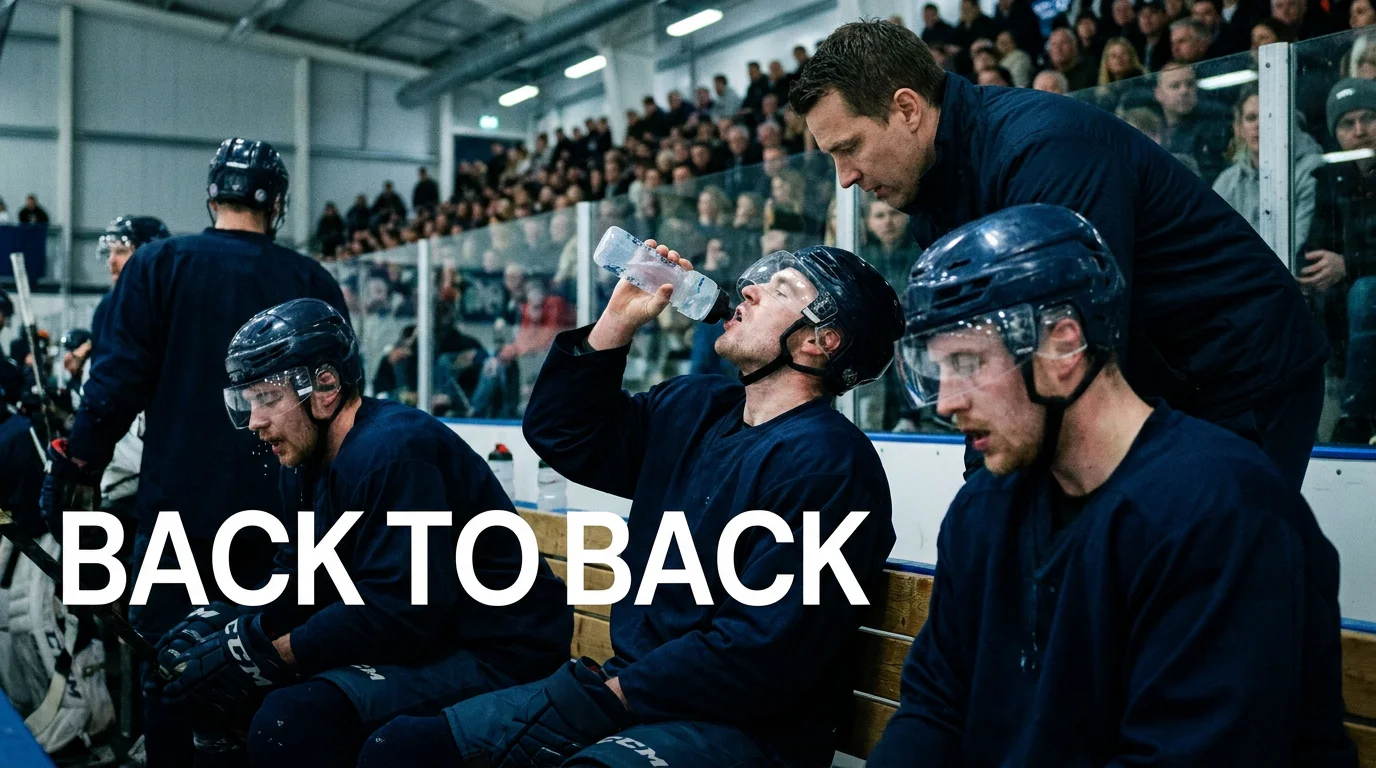
A back-to-back in the NHL is two games played on consecutive calendar days, and the second of those games is where most of the betting value lives. Across a regular season of 1,312 matches, every team plays between twelve and sixteen back-to-back sets, and the data is unambiguous — teams on the second night of a B2B lose at higher rates than the same teams on rested legs, lose by larger margins when they lose, and almost always start their backup goaltender. The combination is a structural pricing problem for the market, and one of the cleanest fatigue edges available to a UK bettor working off a UK-licensed sportsbook.
I have spent nine years pricing NHL props and totals, and the B2B angle is one of the first filters I run on any given night’s slate. Not every B2B is bettable — some teams handle the schedule loss better than others, some opponents are weak enough that fatigue does not matter, and the market itself has gotten sharper over the past five seasons about pricing the obvious cases. But the structural edge is real, it is durable, and the games where it gets mispriced tend to share a small set of identifiable features. This article walks through why B2B matters, where the road version is a trap, how goalie rotation interacts with the schedule, and the contexts where the public over-corrects and creates contrarian value.
Why the second night of a B2B matters
The first time I really understood B2B fatigue was watching a Tampa Bay home game on a Saturday afternoon, the second of a back-to-back after a Friday night in Florida. Tampa were minus 175 favourites against a middling Eastern Conference team, and the game was over by the first intermission. The Lightning’s first line looked a step slow on every transition. The defence pair on the ice for the opening goal had played 22 minutes the previous night. The market had priced Tampa as if Friday’s game had never happened, and the lesson stuck — fatigue is real, it shows up in the first ten minutes, and the moneyline does not always reflect it.
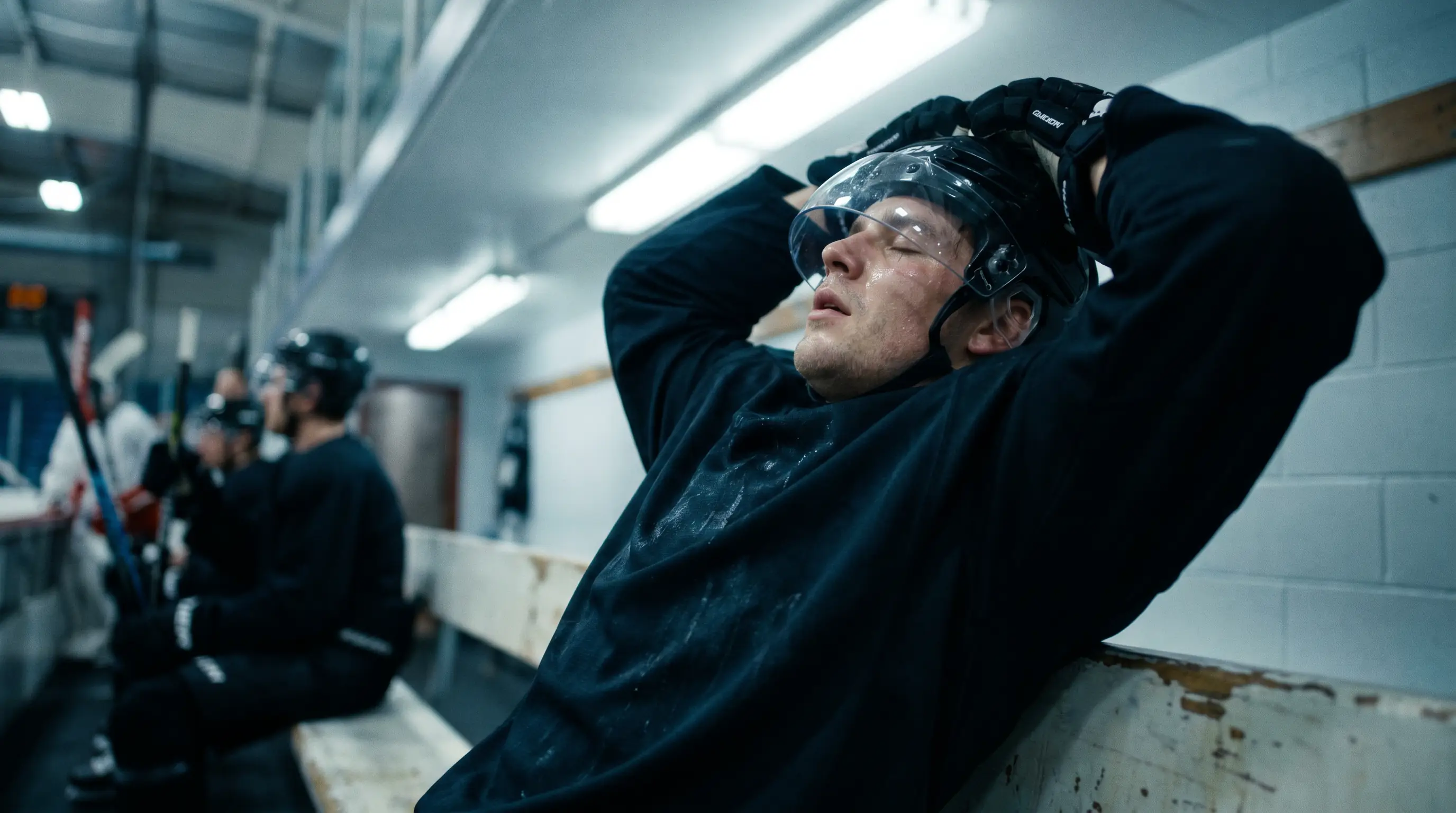
The mechanism is straightforward. NHL players cover seven kilometres of ice surface in a typical 60-minute game, and elite skaters’ top speeds drop measurably on the second night. Recovery windows of less than twenty hours between final whistle and morning skate are not enough for full physiological reset, and that gap shows up in shot suppression rates, defensive zone time, and second-period collapses. The structural edge of being fully rested versus playing a B2B is somewhere in the range of 0.20 to 0.35 goals per game depending on travel — comparable to home ice advantage, and additive when the rested team is also at home. Two structural edges layered on the same ticket is where the meaningful value lives.
The road back-to-back trap
Road B2Bs are the spot the market over-corrects most often, and where I have lost real money learning to be selective. The conventional wisdom — fade the road team on the second night, especially after a flight — is correct in the aggregate but wrong often enough on a per-game basis to be dangerous. The trap is that public sentiment shifts the line further than the structural edge justifies. When the road B2B team is the underdog anyway, the market frequently moves the puck line from plus 1.5 at minus 130 to plus 1.5 at minus 175 by puck drop, which prices in the fatigue twice — once via the moneyline shift, once via the spread juice.
The combination I look for is a road B2B team facing a rested home team that is itself a moderate favourite without B2B factors of its own. That is the clean setup. The cluttered version — where the home team has B2B factors of its own, or has just returned from a long road trip — is where the structural picture muddies and the home edge I dissect in detail in my piece on how much NHL home ice advantage really matters stops doing the work the market is pricing it to do. Layering home edge on top of opponent fatigue requires the home team to actually be enjoying a rested-at-home spot, not a nominal home game tacked onto the end of a fatigue cycle of their own.
Goalie rotation on the second night
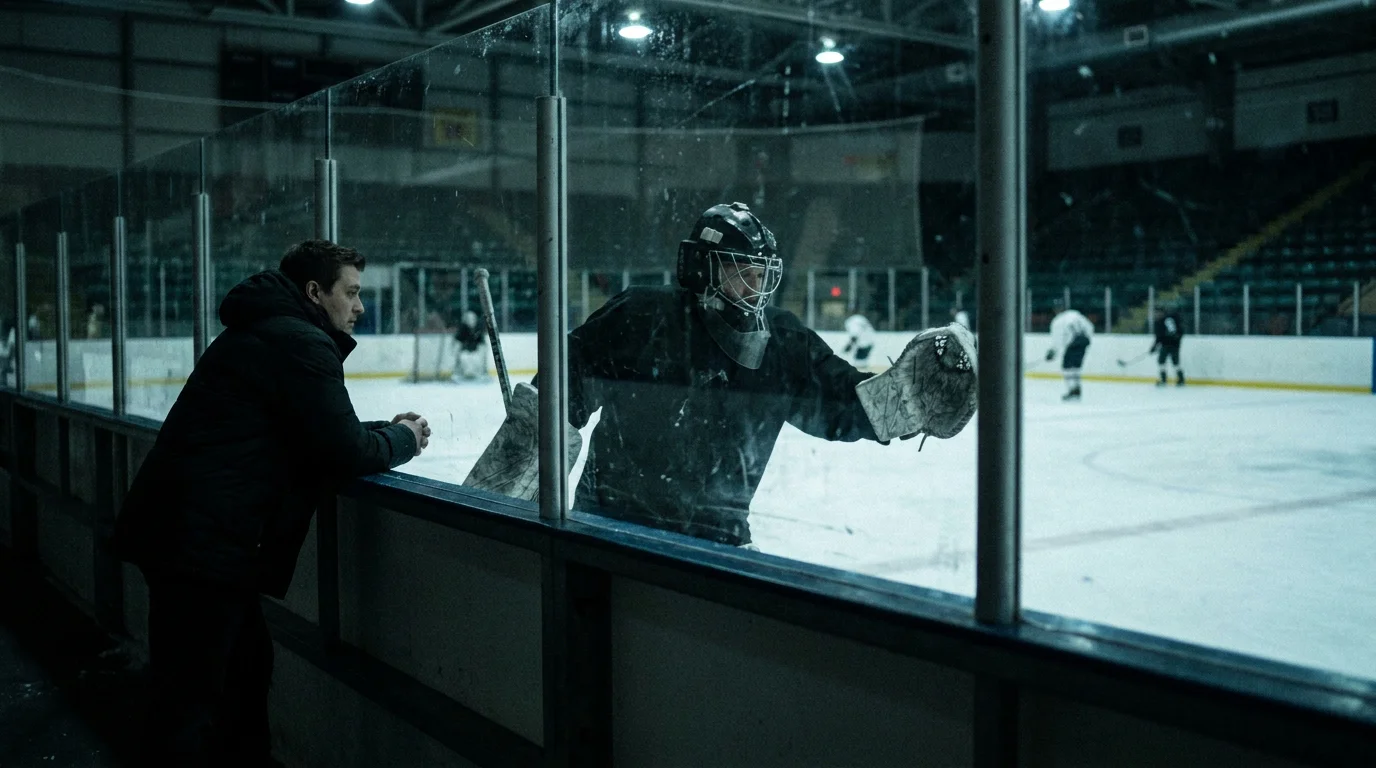
The goalie variable is what makes B2B betting more nuanced than simple schedule analysis. Nearly every NHL team rotates goaltenders on the second night of a B2B, which means you are usually looking at a backup against a rested starter — and the gap between an elite starter and a competent backup is enormous. Connor Hellebuyck posted a 47-win season with a 2.01 goals-against average in 2024/25, and the market prices Winnipeg differently when he is in net versus when their backup is. If Winnipeg are on the second night of a B2B and Hellebuyck is sitting, the moneyline shift is often 30 to 50 cents — and the question becomes whether that shift is too large, too small, or about right relative to the backup’s actual quality.
The trickier version is the team that does not have a clear starter-versus-backup split. Several NHL clubs operate a tandem where both goaltenders play 35 to 45 games a year, and on those teams the B2B starts whichever goalie did not play the previous night without a meaningful drop in quality. The market sometimes treats those teams as if they were running a clear starter-backup hierarchy, which creates pricing errors when the “backup” is actually a 1B-grade goaltender. Identifying which clubs operate a tandem versus a hierarchy is half the work — once you know the team’s actual depth, the B2B goaltender decision either matters or it does not.
When the public over-corrects on fatigue
The most reliable contrarian opportunities in B2B markets come from games where the public has assumed the fatigued team has no chance, and the market has moved several lengths past the structural edge. I keep a running mental note of about six teams over recent seasons that have posted winning records on the second night of B2Bs despite the schedule loss — deep teams with strong special teams units and structured systems that survive fatigue better than the market assumes. When one of those teams is on a B2B and the line has moved aggressively against them, I am willing to take the contrarian side, especially against a home team whose own form has been spotty.

The opposite spot — where the public has not corrected and the line still looks soft — is rarer in 2026 than it was five years ago. Modern trading desks price B2B factors into the opening line, not just the closing line, and the days of finding plus 130 on a road B2B underdog that should have been plus 105 are largely gone on major UK sportsbooks. The remaining edges are narrower and more situational, which is why I rely on B2B as one input among several rather than a standalone betting angle. A 0.20-goal structural edge mis-priced by half a goal is one of the better tickets you can find on a hockey card; mis-priced by a tenth, it is just noise wearing the costume of a signal.
The B2B filter I run before every ticket
The single filter that has paid me back most reliably on B2B angles over nine years is asking whether the structural edge is doing real work or whether the market has already priced it in twice. Two questions decide that. Is the rested team also enjoying genuine rest at home rather than nominal home ice on a fatigue cycle of their own? And is the goalie change on the fatigued side a real downgrade or a tandem rotation that the market is overstating? If both answers point in the right direction, the ticket is on the slate. If either is muddy, the structural edge is probably already priced in, and the better play is to wait for a cleaner B2B spot the following week.

How much edge does the public expect from an NHL back-to-back fatigue spot?
The structural edge is 0.20 to 0.35 goals per game depending on travel and goalie. Markets typically price in around 0.20, so value usually appears when travel or goaltender changes push actual edge toward the upper end.
Does the second night of a back-to-back hurt goalies more than skaters?
Goalies almost never play both ends of a B2B, so direct fatigue is minimal. The impact is the backup replacing the starter — Hellebuyck’s 47-win 2024/25 workload shows how concentrated the starter role has become.
